
Essential Fire Fighting Equipment for Safety

Essential Fire Fighting Equipment for Safety
Fire safety is crucial in every environment. Whether at home, work, or in industrial settings, being prepared can save lives.
Fire fighting equipment plays a vital role in ensuring safety. It helps prevent small fires from becoming disasters.
Understanding the different types of fire safety equipment is essential. Each type serves a specific purpose and is designed for different fire scenarios.
Fire extinguishers, smoke detectors, and fire alarms are common tools. They are the first line of defense against fires.
Sprinkler systems and fire hoses are more advanced. They are typically used in commercial and industrial settings.
Personal protective equipment (PPE) is crucial for firefighters. It includes helmets, gloves, and fire-resistant clothing.
Regular maintenance and inspection of fire safety equipment are necessary. This ensures they function correctly when needed.
A well-prepared environment with the right equipment can significantly reduce fire risks.
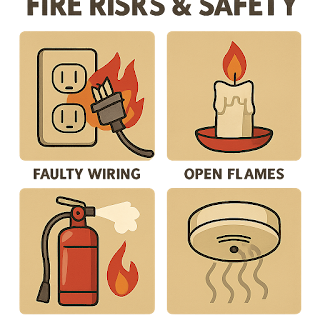
Understanding Fire Risks and the Importance of Fire Safety Equipment
Every environment has its fire risks. Recognizing these risks is the first step in fire prevention. Some fires start from cooking mishaps or electrical faults.
Knowing the common causes allows for better preparation. This is where fire safety equipment becomes indispensable. The right equipment can mean the difference between a minor incident and a catastrophe.
Fire safety equipment serves several crucial functions. Early detection, fire suppression, and safe evacuation are among the top priorities. These functions help manage fires effectively and protect occupants.
Here are key pieces of fire safety equipment:
- Fire Extinguishers: For immediate response to small fires.
- Smoke Detectors: Detect smoke and alert occupants early.
- Fire Alarms: Provide an auditory signal to evacuate.
- Fire Blankets: Useful for smothering small flames.
- Sprinkler Systems: Automatically activate to control fires.
Each piece of equipment plays a role in a comprehensive fire safety plan. Proper training and regular maintenance ensure they work when needed.
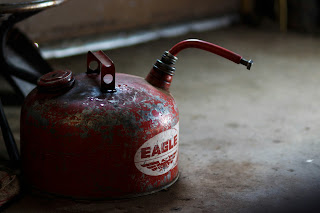
Fire Extinguishers: Types, Uses, and Maintenance
Fire extinguishers are essential tools in fire control. They come in different types, each designed to combat specific classes of fire. Knowing which extinguisher to use is critical for effectiveness.
There are five main classes of fire extinguishers. Class A handles ordinary combustibles like wood and paper. Class B is for flammable liquids, while Class C is suitable for electrical fires.
Class D extinguishers tackle metal fires, and Class K is intended for kitchen fires involving oils and fats. Choosing the correct class ensures the fire is extinguished quickly and safely. Explore fire extinguisher and fire protection products based on your risk type.
Proper maintenance is vital for functionality. Regular inspections can identify issues early. Testing pressure levels and ensuring the nozzle is clear can save precious time during an emergency.
Fire extinguishers should be easy to access and visible. Knowledge of how to operate them is vital. Remember the P.A.S.S. method: Pull the pin, Aim low, Squeeze the handle, and Sweep the nozzle from side to side.

Fire Detection and Alarm Systems
Fire detection and alarm systems are crucial for early warning. They alert occupants to evacuate before a fire escalates. This response can save lives and reduce property damage.
These systems rely on various components. Smoke detectors, carbon monoxide detectors, and heat sensors work together. They provide a comprehensive safety net in buildings.
Proper placement is key for effectiveness. Install detectors on every level of your home or building. Ensure they cover sleeping areas and common spaces.
Regular testing ensures reliability. Replace batteries annually and test units monthly. Consider interconnected detectors for broader coverage and enhanced safety.
Smoke Detectors and Carbon Monoxide Detectors
Smoke and carbon monoxide detectors are vital in fire safety. Smoke detectors alert you to visible flames and smoldering fires. Carbon monoxide detectors warn of the invisible, deadly gas.
Install both types to maximize protection. Keep them in kitchens, hallways, and sleeping areas. This setup enhances early detection and provides time to act.
Monthly testing and annual battery replacement ensure readiness. Consider combining them into dual-sensing units. These provide reliable, efficient fire detection.

Fire Alarms and Advanced Notification Systems
Fire alarms are integral to alerting occupants swiftly. They emit loud sounds and sometimes flashing lights. This ensures everyone is aware and can evacuate promptly.
Advanced systems may include voice alerts. They guide occupants more effectively. Some systems also integrate with mobile apps for remote monitoring. These smart solutions provide peace of mind and control.
Fire Suppression Systems: Sprinklers, Gas, and Foam
Effective fire suppression systems are crucial in minimizing damage. These systems automatically respond to flames, often controlling them before they spread widely.
Sprinklers are the most common and reliable. They detect heat and discharge water directly onto the fire. This controls or extinguishes it quickly, safeguarding property and lives.
Other systems use gas or foam. Gas systems are suitable for areas with sensitive equipment, like server rooms. Foam systems are ideal for flammable liquids or chemicals, as they create a blanket to smother fires.
Each type offers specific benefits:
- Sprinklers: Suitable for residential and commercial use.
- Gas: Best for electronics and sensitive environments.
- Foam: Effective on chemical and liquid fires.
Selecting the right system depends on the environment. Consulting specialists for firefighting and protection systems can ensure the best choice. Professional assessments are vital for tailored solutions.

Fire Hoses, Hydrants, and Accessories
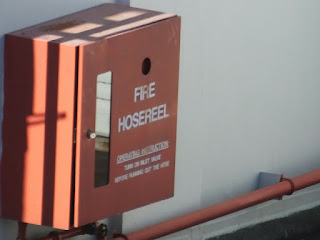
Fire hoses and hydrants are indispensable in firefighting. They provide a reliable water supply to tackle large fires and are vital in urban settings.
Fire hoses come in various lengths and diameters. They are crafted to withstand high water pressures, ensuring efficient delivery during an emergency. Their adaptability allows firefighters to handle fires from a safe distance.
Hydrants serve as external sources of water, common in cities. They connect quickly with hoses to supply continuous water flow during fire operations. Ensuring they are unobstructed and accessible is crucial.
Essential accessories for fire hoses and hydrants include:
- Nozzles: Help control the water spray.
- Adapters: Connect hoses of different sizes.
- Valves: Regulate water flow.
Regular maintenance of hydrants and their components ensures optimal performance when it matters most. Ensuring access and functionality is vital for community safety.

Fire Blankets and Fire Doors
Fire blankets are essential for tackling small fires, especially in kitchens. They smother flames by cutting off oxygen.
They are user-friendly and effective for small fires or wrapping around someone whose clothes are aflame. Their deployment is simple and requires no special training, making them accessible for general use.
Fire doors are crucial in maintaining the integrity of a building during a fire. They help contain flames and smoke, enabling safe evacuation.
Key features of fire blankets and doors include:
- Durable materials: Designed to withstand high temperatures.
- Ease of use: Quick to deploy in emergencies.
- Smoke blockage: Helps prevent smoke from spreading.
Regular checks on fire doors ensure they seal properly and perform effectively when needed.

Emergency Lighting and Fire Safety Signs
Emergency lighting is vital during power outages. It lights paths to exits, aiding in safe evacuation.
Fire safety signs provide critical information. They guide building occupants, directing them towards safe exits during an emergency.
These elements are essential for maintaining order and reducing panic:
- Visibility: Ensures pathways are visible.
- Guidance: Offers clear instructions for evacuation.
- Compliance: Meets safety standards for occupancy.
Regularly test both to ensure functionality. Replace bulbs and repair any damaged signs promptly to maintain safety standards.

Personal Protective Equipment (PPE) for Firefighters
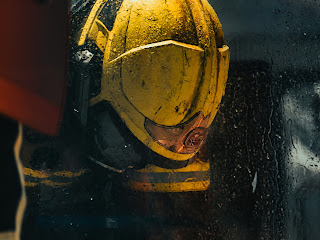
Personal Protective Equipment (PPE) is crucial for firefighter safety. It shields them from heat, flames, and hazardous substances.
PPE includes several essential items. Each piece plays a vital role in protecting the wearer from potential harm:
- Helmets: Guard against falling debris and radiant heat.
- Gloves: Offer protection from cuts and burns.
- Boots: Provide robust protection for feet against falling objects.
- Fire-Resistant Clothing: Shields body from intense temperatures and flames.
Regular inspection and maintenance of PPE ensure it remains in optimal condition. Firefighters rely heavily on equipment quality and functionality during operations.
Rescue Equipment: Ladders, Platforms, and First Aid Kits
Rescue equipment plays a pivotal role during fire emergencies. Quick access to this gear can save lives.
Key rescue tools include:
- Fire Escape Ladders: Provide alternate escape routes from multi-story buildings.
- Aerial Platforms: Extend reach for accessing upper floors and rescuing trapped individuals.
- First Aid Kits: Essential for treating injuries sustained during fires or evacuations.
Each rescue tool must be ready and in prime condition. Regular checks ensure their functionality during critical moments.
Fire Safety Planning, Training, and Drills
Preparation is key to effective fire safety. A well-crafted fire safety plan ensures everyone knows their role.
Conducting regular training sessions improves response times. Familiarity with equipment and exits boosts confidence.
Organize fire drills to test your plan's effectiveness. Simulate various scenarios to discover potential weaknesses.
Here are essential elements to include:
- Evacuation routes: Clearly marked and free of obstructions.
- Assembly points: Safe areas for regrouping after evacuation.
- Emergency contacts: Quick access to important phone numbers.
Fire drills don't just improve safety; they can save lives. They empower people to react calmly during chaos.
Legal Requirements and Standards for Fire Safety Equipment
Compliance with fire safety regulations is mandatory. Legal standards ensure that equipment is reliable and effective. These regulations safeguard lives and property by enforcing safety measures.
Fire safety standards vary by region. It is crucial to be familiar with your local requirements. This knowledge helps in maintaining compliance.
Key standards to be aware of include:
- Equipment installation guidelines
- Maintenance frequency mandates
- Safety certifications required for equipment
Meeting these standards is not just about legality. It significantly reduces fire risks and potential damages.
Maintenance, Inspection, and Professional Assessment
Ensuring that fire fighting equipment is functional relies heavily on regular maintenance. Neglect can lead to failures during emergencies. Consistent inspections are crucial for optimal performance and safety.
Professional assessments offer an expert evaluation of your equipment's condition. They ensure compliance with safety standards and regulations. Engaging with professionals and using a reliable fire safety equipment supply partner can identify hidden issues that routine checks might miss.
Key maintenance and inspection tasks include:
- Regular testing of alarms and detectors
- Checking expiration dates on fire extinguishers
- Inspecting hoses and hydrants for wear and damage
Routine checks and professional assessments both play significant roles in fire safety.
Innovations and Future Trends in Fire Fighting Equipment
The fire safety industry continues to evolve with cutting-edge technologies. AI and machine learning are shaping the future of fire fighting equipment. These advancements offer more efficient and faster responses to fires.
Emerging trends focus on improving detection and intervention systems. Smart technology integrates with home automation for enhanced protection.
Key future trends in fire safety include:
- Drones for aerial fire monitoring
- Robotics assisting in hazardous environments
- Smart detectors for integrated safety networks
Innovations promise to enhance both prevention and response capabilities.
Environmental and Insurance Considerations
Environmental concerns are increasingly significant in fire safety equipment design and disposal. Ensuring that equipment is eco-friendly minimizes impact.
Insurance companies often assess fire risk to set premiums. Effective fire safety equipment can lower costs and enhance coverage.
Consider these aspects:
- Sustainable materials in equipment
- Recycling programs for expired equipment
- Insurance benefits from improved safety installations
Conclusion: Building a Safer Future with Fire Safety Equipment
Embracing advanced fire safety equipment is essential for a secure environment. It reduces risks and protects lives and property.
By investing in reliable fire safety systems, we help create a safer future for all. Stay informed, stay safe. If you want expert help, get a fire protection system assessment.
Frequently Asked Questions (FAQs)
What are the different types of fire extinguishers? Fire extinguishers come in several classes: A, B, C, D, and K. Each is designed for specific fire types.
How often should fire safety equipment be inspected? Most equipment should be checked annually. However, smoke detectors might require more frequent inspections.
Why are smoke detectors and carbon monoxide detectors both necessary? Smoke detectors alert you to a fire, while carbon monoxide detectors warn of this dangerous, odorless gas.
What is personal protective equipment (PPE)? PPE includes gear like helmets and fire-resistant clothing to protect firefighters during operations.
How do sprinkler systems work? Sprinkler systems detect heat and activate water to suppress fires, often automatically. They are critical in large buildings.