
Fire Extinguisher Definition & Basics: A Safety Guide
Understanding the Basics of Fire Extinguishers
Fire extinguishers are crucial tools in fighting small fires and preventing them from turning into catastrophic events. Explore our fire protection products to equip your site properly. Whether it's in your home, office, or any public space, understanding what a fire extinguisher is, how it works, and when to use it can make all the difference in an emergency. This guide delves deeper into the essentials of fire extinguishers, covering their definitions, types, and usage techniques, and emphasizes the importance of regular maintenance and fire safety training.
Fire Extinguisher Definition
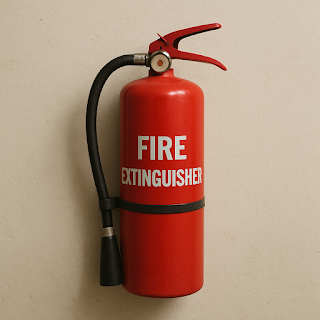
A fire extinguisher definition is a portable device designed to combat small fires. Its primary purpose is to control or extinguish fires in emergency situations. The key to using a fire extinguisher effectively is knowing how to operate it and which type to use for different fire classes. Fire extinguishers are manufactured in various sizes and types, each containing specific extinguishing agents tailored to different fire hazards.
Understanding the components of a fire extinguisher is essential. It typically includes a canister filled with an extinguishing agent, a nozzle or hose, a pressure gauge, and a handle or lever. Some extinguishers are pressurized, while others use a propellant gas to expel the extinguishing material. The design ensures that the device can be operated swiftly and efficiently during an emergency.
Fire Extinguisher Meaning
For larger setups, consider professional firefighting and protection systems.
The meaning of a fire extinguisher goes beyond just a tool; it represents safety and readiness. It's an essential part of fire safety protocols, offering a first line of defense before professional firefighters arrive. In essence, a fire extinguisher embodies a proactive approach to fire safety, empowering individuals to act promptly and decisively.
Fire extinguishers symbolize a commitment to safety and preparedness. They serve as a reminder of the importance of having safety measures in place and being equipped to handle emergencies. By maintaining fire extinguishers and ensuring they are accessible, individuals and organizations demonstrate a dedication to protecting lives and property.
The Role of Fire Extinguishers in Fire Safety Plans
Fire extinguishers play a vital role in comprehensive fire safety plans. They are a critical component of fire prevention strategies, allowing individuals to address fires in their early stages. Integrating fire extinguishers into safety protocols involves assessing potential fire risks, determining the appropriate types and numbers of extinguishers, and ensuring they are strategically placed.
Incorporating fire extinguishers into emergency response plans enhances overall preparedness. Training individuals in the proper use of extinguishers is essential for effective fire response. By familiarizing people with their operation and limitations, organizations can improve their ability to manage fire incidents safely and efficiently.
Types of Fire Extinguishers
You can browse our fire safety supply options based on the fire class risks at your location.
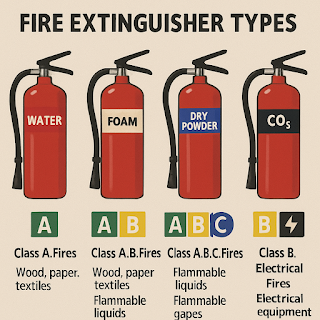
Understanding the different types of fire extinguishers is crucial for ensuring safety. Each type is designed to tackle specific classes of fire, which are categorized by the materials involved.
Class A: Ordinary Combustibles
Class A extinguishers are used for fires involving ordinary combustibles such as wood, paper, and cloth. These extinguishers typically contain water or foam. They work by cooling the burning material and removing the heat element of the fire triangle.
Water-based extinguishers are effective for Class A fires due to their ability to penetrate porous materials. Foam extinguishers, on the other hand, create a barrier that smothers the fire and prevents re-ignition. Understanding the properties of these extinguishing agents helps in selecting the appropriate extinguisher for specific scenarios.
Class B: Flammable Liquids
Class B extinguishers are suitable for fires caused by flammable liquids like gasoline, oil, and paint. They usually contain foam, dry powder, or carbon dioxide (CO2). These agents work by cutting off the fire's oxygen supply or interrupting the chemical reaction.
Foam extinguishers are particularly effective for liquid fires as they form a blanket that suppresses vapors and extinguishes flames. Dry powder extinguishers, on the other hand, break the chain reaction of combustion, while CO2 extinguishers displace oxygen around the fire. Selecting the right extinguisher for Class B fires involves understanding the characteristics of the burning liquids.
Class C: Electrical Fires
For electrical fires, Class C extinguishers are recommended. They contain non-conductive agents like CO2 or dry powder to prevent electrical shock. These extinguishers are designed to handle live electrical equipment without posing additional hazards.
CO2 extinguishers are effective for electrical fires as they do not leave residue, minimizing damage to sensitive equipment. Dry powder extinguishers, while versatile, require careful cleanup due to the potential for residue. Understanding the nature of electrical fires and selecting the appropriate extinguisher is crucial for safely addressing these types of incidents.
Class D: Metal Fires
Class D extinguishers are specifically designed for fires involving combustible metals such as magnesium and aluminum. These extinguishers contain special powders that can effectively put out metal fires. Metal fires require specialized extinguishing agents due to the high temperatures involved.
Class D extinguishers work by smothering the fire and absorbing heat, preventing the metal from reacting with oxygen. Handling metal fires requires caution and expertise, as using the wrong extinguishing agent can exacerbate the situation. Understanding the properties of combustible metals and using the appropriate extinguisher is essential for safely managing these fires.
Class K: Cooking Oils and Fats
Class K extinguishers are used in kitchens to tackle fires involving cooking oils and fats. They typically contain a wet chemical agent that cools and smothers the fire. Kitchen fires pose unique challenges due to the high temperatures and potential for re-ignition.
Wet chemical extinguishers work by forming a soapy layer over the burning oil, preventing oxygen from reaching the fire. This method effectively extinguishes flames and prevents re-ignition. Understanding the dynamics of kitchen fires and using the correct extinguisher is crucial for ensuring safety in culinary environments.
How to Use a Fire Extinguisher
Knowing how to use a fire extinguisher can save lives and property. The PASS technique is a simple method to remember:
The PASS Technique Explained
- Pull the Pin: This unlocks the operating lever and allows you to discharge the extinguisher. Pulling the pin is the first step in activating the extinguisher, ensuring that it is ready for use.
- Aim Low: Direct the nozzle at the base of the fire. Aiming at the base is crucial for extinguishing the fire effectively, as it targets the source of the flames.
- Squeeze the Lever: This releases the extinguishing agent. Applying steady pressure ensures a consistent release of the extinguishing material, maximizing its effectiveness.
- Sweep Side to Side: Move the nozzle from side to side until the fire is out. Sweeping ensures that the extinguishing agent covers the entire area of the fire, preventing re-ignition.
When to Use a Fire Extinguisher
It's important to know when to use a fire extinguisher. Only attempt to fight a fire if:
- The Fire is Small and Confined: Small fires are manageable, but if a fire is spreading, it is safer to evacuate and call for help.
- You Have a Clear Escape Route: Ensure that you can evacuate safely if the situation worsens.
- You're Trained in Using the Extinguisher: Proper training ensures that you can operate the extinguisher effectively and safely.
If the fire is spreading, too large, or if you're unsure, evacuate immediately and call the fire department. Prioritizing safety over property is crucial in fire emergencies.
Limitations and Precautions
Understanding the limitations of fire extinguishers is crucial for safe use. Extinguishers are designed for small fires, and attempting to fight large or out-of-control fires can be dangerous. Recognizing when a fire is beyond your control is essential for ensuring personal safety.
Precautions include assessing the fire's size and nature, ensuring you have a clear escape route, and wearing protective equipment if necessary. Being aware of potential hazards and knowing when to retreat are vital aspects of effective fire response.
Maintenance and Inspection
Regular maintenance and inspection of fire extinguishers are essential to ensure they function properly when needed. Here's what you should do:
Monthly Checks
Ensure the extinguisher is in its designated place, visible, and unobstructed. Regular checks ensure that extinguishers are accessible during emergencies, enhancing overall preparedness.
Monthly inspections should include checking the pressure gauge, ensuring the needle is in the green zone, and examining the extinguisher for any visible damage. Keeping a record of monthly checks helps maintain a consistent maintenance schedule.
Inspect the Pressure Gauge
Make sure the needle is in the green zone, indicating the extinguisher is properly charged. A fully charged extinguisher is crucial for effective fire response, ensuring that the extinguishing agent is available when needed.
Regularly inspecting the pressure gauge helps identify potential issues early, allowing for timely maintenance and ensuring that the extinguisher is always ready for use. Understanding how to read the pressure gauge is an essential skill for maintaining fire extinguishers.
Check for Damage
Look for any signs of wear, corrosion, or damage to the cylinder or hose. Identifying damage early prevents potential malfunctions during emergencies, ensuring that the extinguisher operates as intended.
Regular inspections should include checking the condition of seals, hoses, and nozzles, as well as ensuring that labels and instructions are legible. Addressing any damage promptly enhances the reliability of fire extinguishers and contributes to overall safety.
Annual Professional Inspection
Have a certified professional inspect the extinguisher once a year. Professional inspections provide a thorough assessment of the extinguisher's condition, ensuring compliance with safety standards.
Certified professionals can identify issues that may not be apparent during routine checks, providing expert guidance on maintenance and replacement. Scheduling annual inspections is a crucial aspect of maintaining fire extinguishers and ensuring their readiness for emergencies.
We also provide fire protection system services to support compliance and safety readiness.
Importance of Fire Extinguishers
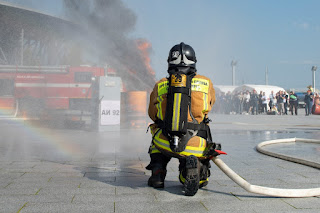
Fire extinguishers are a critical component of fire safety. They help prevent the spread of fire, protect property, and save lives. Being prepared and knowledgeable about using a fire extinguisher can make a significant difference in an emergency situation.
Fire Safety Training
Participating in fire safety training can enhance your understanding of fire extinguishers and improve your readiness in case of a fire. Training often includes hands-on practice in using different types of extinguishers and understanding fire behavior.
Fire safety training provides valuable skills and knowledge, enabling individuals to respond effectively to fire emergencies. Training sessions often cover the operation of various extinguishers, fire prevention strategies, and evacuation procedures, empowering participants to act confidently and decisively.
Legal Requirements
In many places, having fire extinguishers is not just a recommendation but a legal requirement. Businesses and public buildings must comply with fire safety regulations, which often include having the right type and number of extinguishers available.
Compliance with legal requirements ensures that organizations meet safety standards and provide a safe environment for occupants. Understanding local regulations and adhering to them is essential for ensuring the safety and well-being of individuals and property.
Community Safety and Awareness
Fire extinguishers contribute to community safety by providing a means to address fires promptly and effectively. Promoting awareness of fire safety practices enhances community resilience and preparedness.
Community initiatives, such as fire safety workshops and campaigns, raise awareness of the importance of fire extinguishers and encourage individuals to take proactive measures. By fostering a culture of safety and preparedness, communities can reduce the impact of fire incidents and enhance overall safety.
Conclusion
Fire extinguishers are indispensable tools in fire safety. By understanding their definition, types, usage, and maintenance, you can be better prepared to protect yourself and others in the event of a fire. Remember, your safety and the safety of those around you is the top priority. Stay informed, stay prepared, and always prioritize calling professional firefighters for large or uncontrollable fires.
With this knowledge, you can approach fire safety with confidence and ensure that you're ready to act if the need arises. Empowering yourself with fire safety knowledge and skills is an investment in your safety and the safety of your community.